Soft wash, pressure wash, power wash. They all sound like the same thing, and most people use the words like they are.
They're not. And picking the wrong one is how siding cracks, how water ends up trapped inside your walls, and how a cleaning job turns into a repair bill.
So let me clear it up. By the end of this you'll know exactly which method your home needs and which one to run from. It takes about three minutes.
The simplest way to think about it
Here's the whole thing in one line. Hard surfaces get high pressure. Soft surfaces get a soft wash.
Pressure washing uses high-force water to blast dirt off. Soft washing uses low pressure plus a cleaning solution that kills the grime instead of blasting it. That's the entire difference, and it decides whether your home gets cleaned or damaged.
Now let's break down which is which.
What pressure washing is actually for
Pressure washing is the right call for hard, tough surfaces where the dirt just sits on top and the material can take a beating.
That's stuff like:
- Concrete driveways
- Sidewalks and walkways
- Brick and paver patios
- Retaining walls
On these, high pressure is perfect. It strips years of dirt, oil, and tire marks in minutes, and the surface is durable enough to handle the force. This is the kind of cleaning most people picture when they think "power washing," and on concrete it's exactly what you want.
See our concrete and driveway cleaning →
What soft washing is for
Soft washing is for everything that high pressure would damage. That's most of your house.
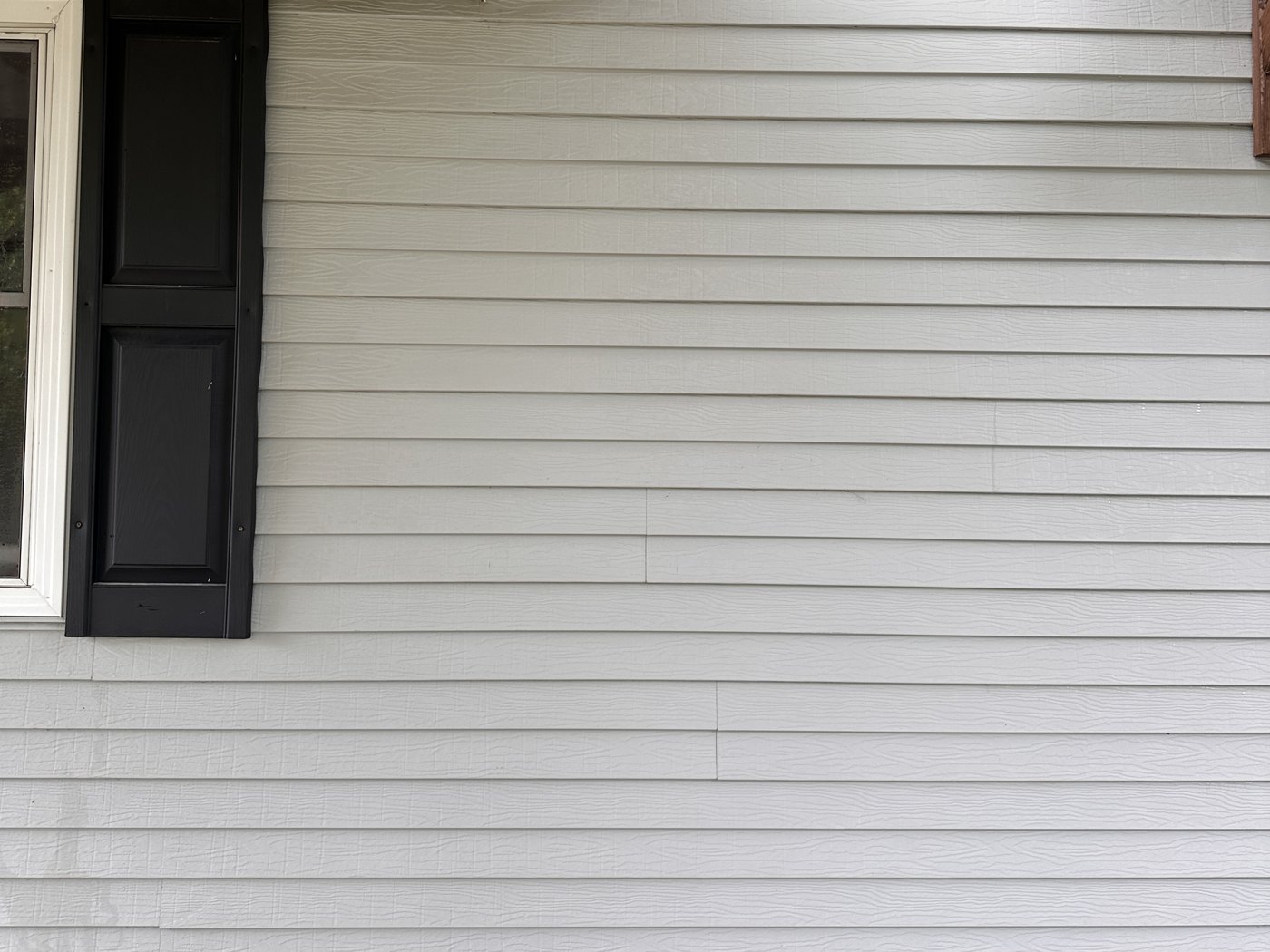
The big one is your siding. Vinyl, fiber cement, wood, stucco, it all needs the gentle approach. Soft washing uses pressure closer to a garden hose, plus a solution that kills the algae and mildew at the root rather than just knocking it off the surface.
It's also the right method for screens, soffits, eaves, and anything painted or coated. And yes, roofs too, though that's a topic of its own.
Here's the part that surprises people. Soft washing actually gets your siding cleaner than pressure washing does. Because it kills the organism instead of just blasting away the part you can see, the surface stays clean a lot longer.
Learn more about our house washing →
Why the wrong method wrecks your siding
This is where homeowners get burned, usually by a cheap quote from someone who pressure washes everything to save time.
Point a pressure washer at vinyl siding and you can crack the panels outright. Worse, you can force water behind them, where it gets trapped against the wood underneath. That trapped moisture grows mold inside your walls.
And you won't see any of it on cleaning day. It shows up months later as a stain, a musty smell, or a soft spot that wasn't there before. By then the crew that caused it is long gone.
The cheapest bid is almost always someone planning to pressure wash everything. It looks clean for a few weeks. Then you pay for it.
The same caution goes for screens, trim, and roofs. If it's not a hard surface, it should never see high pressure. A good crew knows the difference and uses both tools, pressure where it belongs and a soft wash everywhere else, in the same visit.
The quick rule of thumb
When you're not sure, this is all you need:
| Surface | Correct method |
|---|---|
| Concrete driveway or walkway | Pressure wash |
| Brick or paver patio | Pressure wash (controlled) |
| Vinyl, wood, or stucco siding | Soft wash |
| Screens, soffits, eaves | Soft wash |
| Roof | Soft wash |
If a company tells you they'll pressure wash your siding, that's your cue to keep looking. It's the fastest way to tell whether they actually know what they're doing.
Why this matters in Des Moines
Central Iowa's humid summers make algae aggressive, especially on the shaded sides of the house.
Here's a gem most people don't know. When you pressure wash that algae off instead of soft washing it, it grows back faster, because the spores were never actually killed. You get a few clean weeks, then it's right back.
Soft washing the right surfaces is what keeps a Des Moines home clean through a whole season instead of a month. That's the difference between cleaning your house once a year and fighting the same green streaks every few weeks.
The full picture: our complete Des Moines exterior cleaning guide →
Frequently asked questions
Can I just pressure wash my own siding to save money?
It's risky. Even at lower consumer pressures, the angle and distance matter a lot, and water getting behind your siding is easy to cause and hard to spot until the damage is done. Siding should be soft washed.
Does soft washing really get the house clean?
Yes, and arguably cleaner. It kills the algae and mildew at the root instead of just removing the surface layer, so the result is more thorough and lasts longer.
Is it okay to pressure wash concrete?
Yes. Concrete is durable and high pressure is the right tool, though a surface cleaner attachment gives a more even result without leaving lines.
How do I know a company uses the right method?
Just ask: "Do you soft wash siding?" If they say they pressure wash everything, that tells you what you need to know.
Next steps
If your home's looking dingy and you're deciding who to call, here's how to keep yourself out of trouble.
- Figure out what surfaces you're dealing with. Hard surfaces like concrete can take pressure. Your siding can't.
- Ask any company the siding question before you book. Their answer sorts the pros from the blasters in about five seconds.
- Get a flat quote from a local crew that soft washes. You want the price up front and the right method on every surface.
When you're ready, we're happy to take a look and tell you exactly what your home needs.